Marketing collateral has exploded. Brochures, case studies, white papers, videos, interactive tools, newsletters, campaign pages — the list keeps growing. Whether you call it sales collateral, marketing materials, or brand content, it all adds up.
According to Demand Gen, 56% of B2B buyers now feel overwhelmed by the amount of content available to them. And with that overwhelm comes a problem that doesn't get talked about enough: most of this content is impossible to manage, hard to measure, and quietly underperforming.
It's not just about what you create anymore. It's about the format you choose. That determines whether your collateral actually works, and whether you have the data to prove it.
What is marketing collateral?
Marketing collateral is customer-facing content that supports your marketing and sales efforts. The material that communicates your brand, explains your products, and helps move people from "interested" to "convinced."
Traditionally, this meant printed brochures, product sheets, and presentation decks. Today, it spans a much wider range: digital brochures, interactive white papers, video explainers, web-based reports, and more.
What's the difference between marketing collateral and marketing assets? Collateral is the finished, customer-facing material. The brochure a prospect downloads or the presentation your sales team shares. Assets are the building blocks behind the scenes: brand guidelines, templates, raw footage and photography. Both matter, but collateral is the end result that your audience actually sees.
What types of marketing collateral do you need?
Not all collateral serves the same purpose. The key is matching the format to where your audience is in their journey.
Awareness stage
At this point, people are just discovering they have a problem or discovering your solution. Content here should inform and attract, not sell.
Examples: blog posts, thought leadership articles, infographics, social content, short explainer videos.
Consideration stage
Now they're evaluating options. They want depth, proof, and specifics.
Examples: case studies, white papers, research reports, product comparisons, buying guides, webinars.
Decision stage
They're close to choosing. Collateral here should make the decision easier and reduce risk.
Examples: product demos, interactive presentations, ROI calculators, pricing guides, tailored proposals.
Retention and loyalty
Collateral here keeps customers engaged and informed to make sure they want to stay.
Examples: newsletters, product updates, onboarding guides, customer magazines, community content.
The format matters as much as the content. Need inspiration? Browse real examples in our interactive content gallery.

The format shift: static vs. interactive
Here's where things get interesting and where the conversation often goes wrong.
For years, the default format for marketing collateral was the PDF. Easy to create, easy to send, universally compatible. But static PDFs have a fundamental problem: they're black boxes. Once someone downloads one, you have no idea what happens next. Did they read it? Did they share it? Did they stop on page two and never come back?
Static collateral can't answer those questions. And in a world where marketing teams are expected to prove ROI, that's a serious limitation.
The limitations of static collateral:
- No visibility into engagement (downloads ≠ reads)
- One-size-fits-all — no personalization
- Version control nightmares (which PDF is current?)
- Difficult to update once distributed
- Passive experience for the reader
Does "interactive" content actually work?
The word "interactive" gets thrown around a lot and it's worth being precise about what actually helps.
Demand Gen brought to light that buyer appetite for interactive content actually dropped from 49% in 2023 to 38% in 2024. The same survey showed buyers prioritizing short-form content (67%) and webinars (65%) that get to the point quickly. They don't want gimmicks or engagement for its own sake.
But here's the distinction that matters: there's a difference between interactive as a gimmick and interactive as a format. Quizzes, assessments, gamification — that's the gimmick version. Web-based content that's measurable, updatable, and responsive — that's the format version. They're not rejecting useful interactivity. They're rejecting gimmicks that waste their time.
The real value of choosing an interactive format isn't making someone click more. It's gaining the ability to tell you what's working and making it manageable at scale. Platforms like Maglr exist for exactly this reason: turning static documents into scrollytelling experiences that are measurable, updatable, and built for how people want to consume online content nowadays.
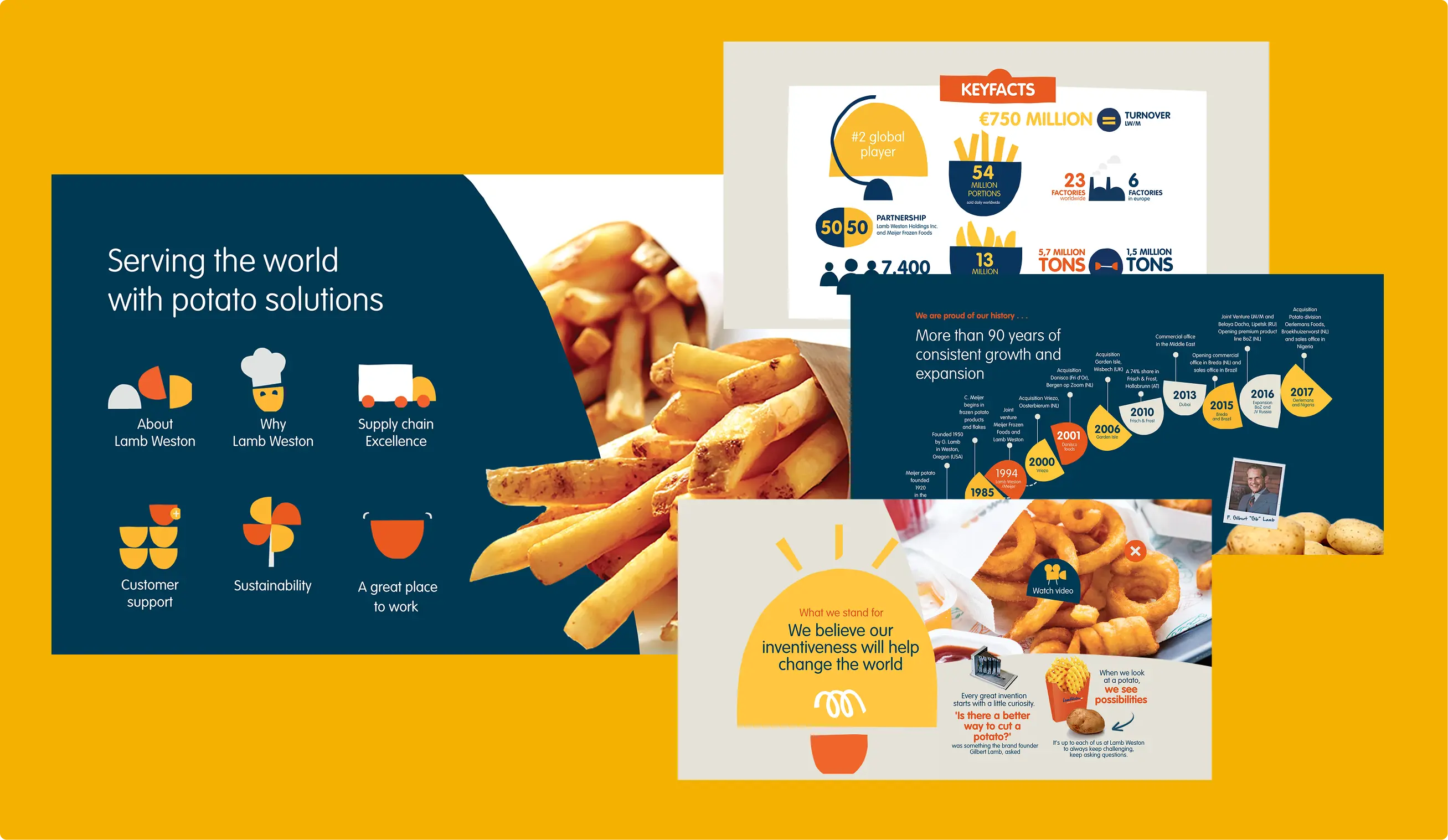
For example, Lamb Weston turned their static sales brochure into an interactive sales tool that works both as a live presentation support and a leave-behind prospects can explore at their own pace. Session time in the first year averaged at four minutes.
Static vs. interactive collateral: a comparison
In short: interactive formats prioritize insight, scalablity and reading experience.
Contentsquare's report found that conversion rates dropped 6.1% year-over-year, even as digital ad spend increased by 13.2%. More traffic isn't translating to more results. The experience — and the ability to optimize it — is what separates content that performs from content that just exists.
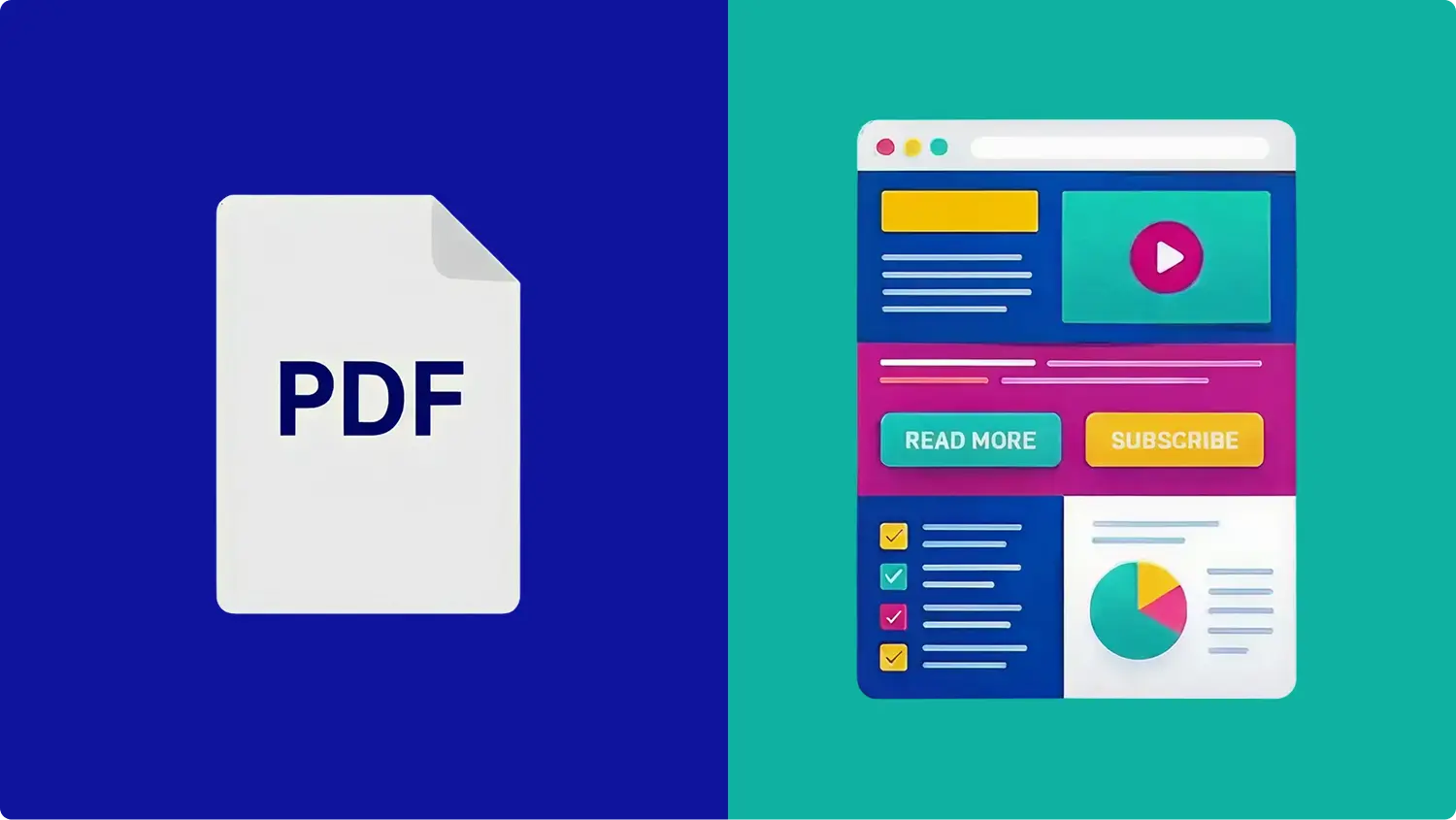
That doesn't mean PDFs are dead. They still work for certain use cases: print materials, compliance-heavy content, simple leave-behinds. But if engagement and measurement matter, static formats will hold you back.
How do you manage marketing collateral at scale?
As your collateral library grows, so does the chaos. Most organizations end up with assets scattered across shared drives, outdated versions floating in email threads, and no clear picture of what's actually being used. Sales asks marketing for "that one-pager," marketing sends three versions, and nobody knows which is current.
Common pain points include:
- Version control confusion
- Inconsistent branding across assets
- No visibility into what sales actually uses
- Difficulty retiring outdated content
- Multiple tools for creation, storage, distribution, and analytics
The typical advice is to adopt a Digital Asset Management (DAM) system, layer on project management tools, add an enablement platform, and integrate analytics separately. Before you know it, you're managing five tools to manage your collateral.
But here's a different way to think about it: your format choice affects how manageable your collateral becomes.
Web-based, interactive collateral is inherently easier to manage. Analytics are built in. No more "which file is the right one?" conversations.
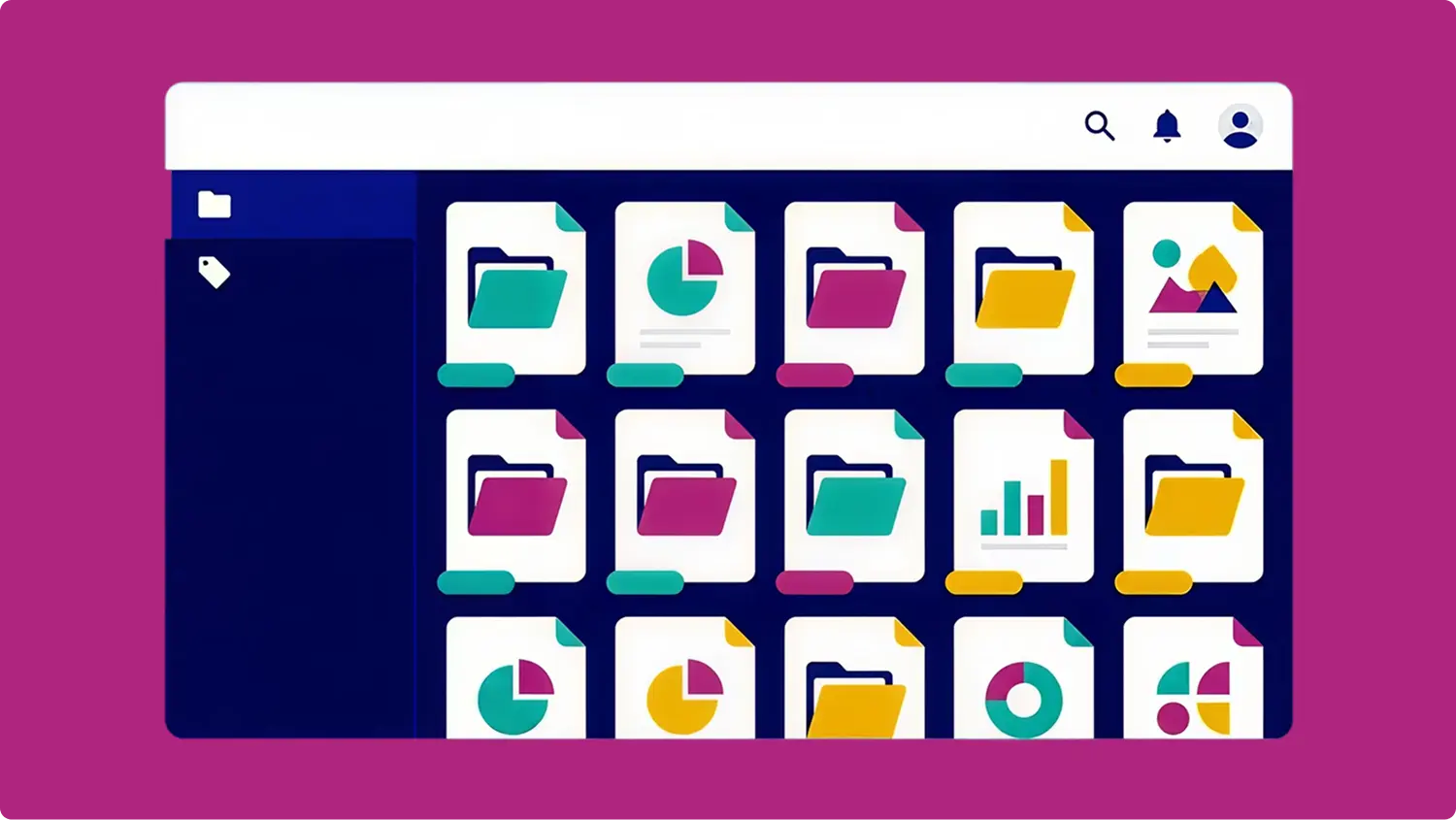
From our experience working with marketing teams across industries, we see this pattern often: a client comes to us for one specific content type, for example, an annual report or a digital brochure. But once they realize the same platform handles their newsletters, campaign pages, case studies, and sales collateral, something shifts. They stop thinking in isolated documents and start managing their collateral as a system.
That's when the real efficiency kicks in. One platform for creation, editing, management, and analytics. Consistent branding by default. Clear visibility into what's performing and what's gathering dust.
How do you measure marketing collateral effectiveness?
Only 46% of B2B marketers agree that their organization measures content performance effectively. The same research found that 84% struggle with integrating data across platforms — a problem that only gets worse when your content lives in formats that don't talk to each other.
So what should you track? Here’s a quick overview:
Engagement metrics
- Views and unique visitors
- Time spent on content
- Scroll depth and page-by-page engagement
- Click-through rates on CTAs
Usage metrics
- How often each asset gets used and by whom
- Which pieces get shared or revisited
- What's being ignored (so you can retire it)
Influence metrics
- Leads generated from gated content
- Deals influenced by specific assets
- Content's role in the buyer journey
Web-based, interactive formats give you granular insight into which sections held attention, where people dropped off, what drove action. This isn't just about proving ROI (though that matters). It's about learning what resonates so you can do more of it and retiring what doesn't.

The bottom line
Marketing collateral isn't just about creating content. It's about creating content that engages, that you can manage at scale, and that you can actually measure.
The shift from static to interactive isn't a trend, it's a response to what modern marketing demands: personalization, analytics, and efficiency. The format you choose determines not just how your content looks, but how it performs and how much headache it creates behind the scenes.
If your collateral library is growing but your insights aren't, it might be time to rethink the format.
Ready to rethink your collateral?
Looking for a platform that lets you create, manage, and measure your marketing collateral in one place? Explore what Maglr can do. From interactive brochures to digital magazines, reports, and beyond.